

- English
- Español
- Italiano

Global Plastic Restrictions Boost the Rapid Popularization of Corn Starch Compostable Disposable Tableware
Time: 2026-06-22 09:52:03
Click:
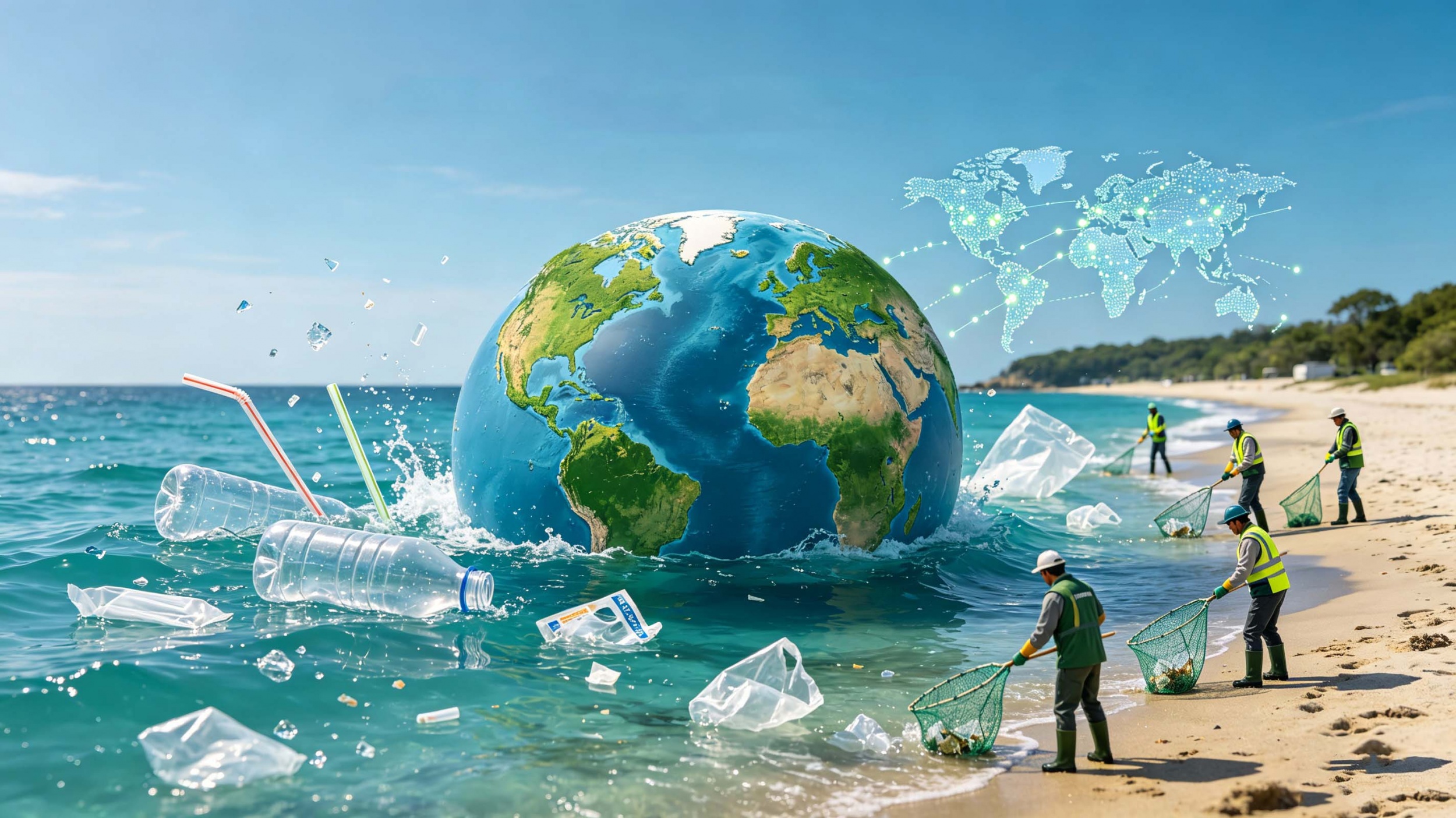
Countries worldwide have enforced single-use plastic bans, pushing surging demand for corn starch tableware. It meets EN13432 & BPI standards, heat-resistant and microplastic-free with low carbon footprint. High production cost and insufficient compost infrastructure limit penetration. Governments launch subsidies to support the sector. Chinese manufacturers with FDA, LFGB certifications are core global suppliers.
Corn Starch Compostable Tableware Becomes Leading Eco Substitute Under Worldwide Plastic Ban Wave
Amsterdam, Netherlands – In 2026, stricter single-use plastic regulations are fully implemented across the EU, North America and Australia. Disposable plates, bowls and cutlery made from food-grade corn starch have replaced petroleum plastic products as the mainstream eco-friendly option for takeout restaurants, catering chains and large outdoor events.
For over half a century, fossil plastic tableware dominated the foodservice market thanks to ultra-low manufacturing costs. However, continuous research on microplastic pollution in oceans and soil has raised widespread public environmental awareness. Governments have issued strict plastic limit laws and heavy fines for food retailers that refuse to phase out non-compostable plastic tableware. Data from the World Bioplastics Association shows that global orders of corn starch disposable tableware grew by 78% year-on-year in the first half of 2026.
Conventional plastic requires 200 to 500 years to decompose naturally, while corn starch tableware complies with global authoritative compost certifications including EU EN13432, US BPI and Australian AS 5810. Under industrial compost conditions, the products fully degrade into water, carbon dioxide and organic humus within 180 days, leaving no toxic microplastic residues in soil or water bodies. As renewable agricultural raw material, corn starch reduces the full-life carbon emission of tableware by more than 72% compared with oil-based plastic.
Lisa Van der Meer, sustainability manager of a pan-European takeout giant, introduced the brand’s plastic elimination plan in an interview: “We completely switched all plastic tableware to upgraded corn starch versions this spring. The optimized formula can withstand temperatures up to 120°C without softening or leaking when holding hot soup, noodles and high-oil dishes. Our consumer survey indicates that 87% of customers are willing to pay a tiny extra delivery fee to select zero-plastic packaging.”
Industry insiders summarized two core bottlenecks restricting market expansion. First, the production cost of corn starch tableware is nearly twice that of ordinary plastic, squeezing profit margins of small family-run catering shops. Second, incomplete waste sorting and compost recycling systems in many emerging regions lead most biodegradable tableware to landfills, losing its eco-friendly value.
To solve these challenges, regional authorities released multiple supportive incentive policies. The European Union launched a €160 million green industrial subsidy fund, covering 40% of equipment upgrade costs for packaging factories that renovate corn starch production lines. The United States offers tax reductions for catering brands that fully adopt certified compostable tableware.
Authoritative market research institute Eco Pack Outlook issued a decade-long forecast: by 2030, plant-based biodegradable disposable tableware will occupy 91% of the global catering disposable tableware market, and corn starch products will account for over 60% of total global sales. Chinese manufacturers serve as key overseas suppliers, equipped with standardized mass production lines and complete international food safety certifications such as FDA, LFGB and EC 1935/2004.
Environmental protection organizations hold optimistic views on long-term industrial prospects. “Corn starch tableware is not a temporary transitional product, but a scalable and practical solution to curb global plastic pollution,” said Tom Voss, policy director of Global Marine Conservation Alliance. “With improved waste management infrastructure, plant-based tableware will drastically cut plastic waste flowing into marine ecosystems in the next ten years.”

点击右上角
分享给朋友吧







 Long by picture save/share
0
PREV
NEXT
More Information
-
Cornstarch vs Paper ...
Driven by worldwide single-use plastic restriction regulations, cornstarch biobased tableware and molded paper pulp tableware are rapidly replacing conventional petroleum plastic tableware. This article analyzes raw materials, performance parameters, EN13432 composting certification, application scenarios, advantages and drawbacks of these two mainstream eco tableware. It also covers market trends and cost challenges, offering professional reference for global importers, catering chains and pack

-
Benefits of Corn Sta...
Facing global plastic ban regulations, corn starch biodegradable tableware and paper tableware become ideal substitutes for single-use plastic. This article introduces their core benefits: compliance with plastic restrictions, lower carbon footprint, safe food contact, and diversified options for catering businesses. Corn starch tableware supports microwave heating, while paper tableware is lightweight and cost-effective. Both help brands build eco-friendly image.
-
Corn Starch and Pape...
With the implementation of global plastic ban policies, single-use plastics are phased out of the market. Corn starch biodegradable tableware and paper products become two major alternatives. Corn starch products feature good heat and water resistance for hot food and takeaway packaging. Paper packaging is cost-effective and easy to recycle for supermarkets and general packaging. These two eco-friendly materials complement each other to reduce white pollution and drive low-carbon transformation
-
Global Nations Accel...
In 2026, countries in Europe, Africa and Asia have introduced stricter phased bans on single-use plastics. This article sorts out the latest plastic restriction policies of the EU, Botswana, Ghana, Georgia and India, and analyzes the global trend of plastic pollution control and the development of eco-friendly alternative materials.
-
Global Sustainable T...
Driven by global low‑carbon goals and plastic‑restriction policies, corn‑starch disposable tableware is widely adopted as a green alternative to single‑use plastics. Updated material formulas improve heat‑resistant, waterproof and oil‑proof performance. The industry still faces cost and compost‑infrastructure challenges for global market expansion.
-
Corn‑starch Composta...
More countries are enforcing plastic‑ban legislation for single‑use food contact items. Corn‑starch compostable tableware offers a viable alternative for overseas catering buyers. This article covers material performance, export certification requirements, cost trends and existing industry limitations for global eco‑tableware procurement.




PREV
NEXT
 E-mail
 WhatsApp
 FaceBook
 Linkedin
 X
X Pinterest
 Messenger
 Youtube
 X
X Pinterest
 Linkedin